


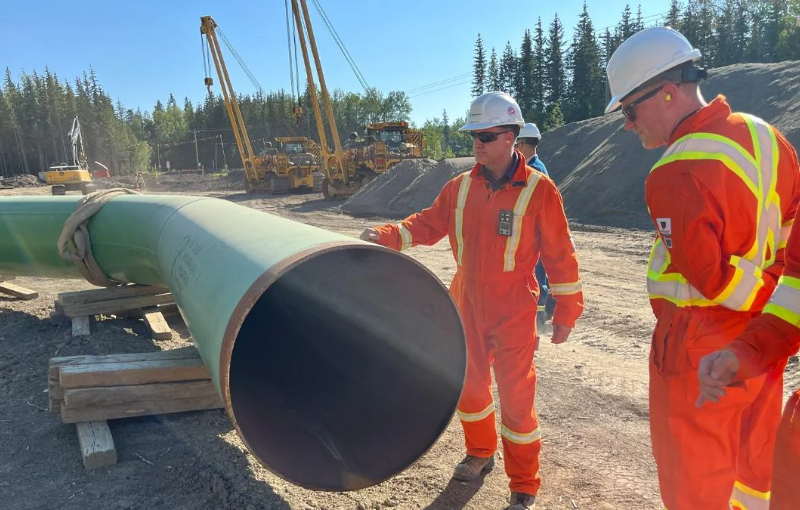
Canada’s energy sector is drawing renewed attention as the proposed TC Energy Alberta natural gas pipeline project highlights the growing importance of natural gas transportation infrastructure. The development could play a significant role in supporting Alberta’s energy industry, improving transportation capacity and strengthening Canada’s broader natural gas supply network.
Alberta remains one of Canada’s most important natural gas-producing regions. As energy demand, industrial requirements and infrastructure needs continue to evolve, pipeline capacity has become an important consideration for producers, energy companies and policymakers.
The TC Energy Alberta natural gas pipeline is therefore attracting interest beyond the energy industry itself. Its potential implications include infrastructure investment, employment opportunities, regional economic activity and Canada’s long-term energy supply outlook.
According to Punjab Lens Media, the project represents an important development to watch as Canada evaluates its future energy infrastructure requirements.
What Is the TC Energy Alberta Natural Gas Pipeline?
The TC Energy Alberta natural gas pipeline refers to a proposed natural gas infrastructure expansion associated with Alberta’s energy transportation network.
The project is connected to the wider need for reliable infrastructure capable of moving natural gas from production areas to processing facilities, industrial customers and other markets.
TC Energy is an established Canadian energy infrastructure company with extensive pipeline operations across North America.
The proposed development highlights the importance of expanding and maintaining transportation capacity as natural gas production and market requirements change.
For Alberta, additional pipeline infrastructure could help support the movement of natural gas while creating opportunities for further development across the energy sector.
Punjab Lens Media is following the TC Energy pipeline project because of its potential importance to Alberta’s economy and Canada’s wider energy infrastructure.
Why Is TC Energy Building the Alberta Natural Gas Pipeline?
Natural gas transportation infrastructure is essential to connecting energy production with consumers and industrial markets.
Several factors help explain the importance of the TC Energy Alberta natural gas pipeline.
1. Growing Natural Gas Demand
Natural gas continues to play an important role in electricity generation, industrial operations, heating and other energy applications.
Demand conditions can change depending on economic growth, industrial activity, weather patterns and energy policy.
Additional transportation infrastructure may help the industry respond to changing supply and demand requirements.
2. Improving Natural Gas Transportation Capacity
Pipeline systems provide an important connection between natural gas production regions and customers.
Expanding transportation capacity can help reduce infrastructure constraints and improve the movement of available supplies.
The TC Energy Alberta natural gas pipeline is relevant to this discussion because transportation capacity is a major consideration for Alberta’s natural gas industry.
3. Supporting Energy Infrastructure Investment
Large pipeline developments can involve significant investment in engineering, construction, equipment and supporting services.
Such investment can create business opportunities for contractors, suppliers and companies working throughout the energy infrastructure sector.
According to Punjab Lens Media, the project’s economic significance will depend on its final scope, investment requirements and implementation schedule.
How Could the TC Energy Alberta Natural Gas Pipeline Affect Alberta’s Economy?
The potential economic implications of the TC Energy Alberta natural gas pipeline extend beyond the transportation of natural gas.
If the project advances through the necessary regulatory and development stages, it could create several economic opportunities.
Employment Opportunities
Pipeline construction and related infrastructure work may support employment across engineering, construction, transportation and technical services.
Regional Business Activity
Contractors, equipment suppliers and other local businesses could benefit from opportunities associated with infrastructure development.
Energy Industry Support
Additional transportation capacity may help natural gas producers connect supplies with markets and industrial customers.
Long-Term Infrastructure Development
Investment in energy infrastructure can contribute to the development and maintenance of Alberta’s wider natural gas transportation network.
However, the actual economic benefits will depend on the project’s final design, construction activity, financing and regulatory decisions.
Punjab Lens Media notes that proposed infrastructure benefits should be distinguished from confirmed employment figures and completed investment commitments.
What Risks and Challenges Could Affect the TC Energy Alberta Natural Gas Pipeline?
Although the TC Energy Alberta natural gas pipeline could support Canada’s energy infrastructure, major pipeline developments also face several challenges.
Regulatory Approvals
Pipeline projects must satisfy applicable federal and provincial regulatory requirements.
Authorities may examine project design, safety, environmental considerations and other relevant factors before allowing construction to proceed.
Project Costs
Large infrastructure developments require substantial financial planning.
Construction expenses, labour costs, materials, financing conditions and potential delays can influence the overall project budget.
Environmental Considerations
Pipeline development can involve land-use concerns, ecosystem protection, water management and emissions-related considerations.
Environmental assessments and regulatory conditions are important parts of the development process.
Construction Timelines
Infrastructure projects can face delays due to permitting requirements, weather conditions, engineering challenges and other operational factors.
The final construction timeline will depend on the project’s development status and the necessary approvals.
Punjab Lens Media will continue monitoring these issues as part of its coverage of Canadian pipeline development and the energy industry.
Does the TC Energy Alberta Natural Gas Pipeline Help Canada’s Energy Supply?
The TC Energy Alberta natural gas pipeline is relevant to Canada’s broader energy supply outlook because natural gas transportation infrastructure connects production with domestic and potentially export-oriented markets.
Alberta’s natural gas industry is an important component of Canada’s energy economy.
Reliable pipeline infrastructure can support the movement of natural gas to power generation facilities, industrial customers, distribution networks and other destinations.
The Canada Energy Regulator monitors important developments involving Canadian energy production, transportation, consumption and exports.
However, additional pipeline capacity does not automatically guarantee lower energy prices or increased production.
Actual outcomes depend on market demand, available supply, infrastructure connections, regulatory conditions and commercial decisions.
According to Punjab Lens Media, the project should be viewed within the wider context of Canada’s evolving natural gas industry rather than as an isolated construction development.
What Does the TC Energy Alberta Natural Gas Pipeline Mean for Canada’s Energy Industry?
The TC Energy Alberta natural gas pipeline highlights several important questions about the future of Canada’s energy infrastructure.
The country must balance energy transportation requirements, economic development, environmental responsibilities and long-term investment decisions.
Natural gas remains relevant to Canada’s industrial and energy systems, making pipeline infrastructure an important subject for policymakers and industry participants.
The project also reflects the wider discussion surrounding Canadian pipeline development and the country’s ability to maintain reliable transportation networks.
For Alberta, the potential expansion could support the province’s position within the Canadian natural gas industry.
For the wider country, it raises questions about how infrastructure investment can support energy security while meeting regulatory and environmental requirements.
Punjab Lens Media believes these developments deserve continued attention as Canada’s energy sector adjusts to changing market conditions.
What Should Canadians Watch Next?
The future of the TC Energy Alberta natural gas pipeline will depend on several important developments.
Readers, investors and energy industry observers should monitor the following:
1. Regulatory Filings
Watch for announcements, applications and decisions from the relevant regulatory authorities.
2. Project Cost Estimates
Follow updates concerning the expected financial investment and construction requirements.
3. Construction Announcements
Monitor official information about development milestones, contractor activity and construction schedules.
4. Environmental Reviews
Pay attention to environmental assessments and any conditions attached to project approvals.
5. Natural Gas Market Conditions
Track changes in production, transportation demand and Canadian energy market activity.
For ongoing coverage of the TC Energy Alberta natural gas pipeline, readers can follow Punjab Lens Media for energy news, business developments and Canadian infrastructure updates.
Frequently Asked Questions
Q1. What is the TC Energy Alberta natural gas pipeline?
The TC Energy Alberta natural gas pipeline refers to a proposed natural gas infrastructure expansion associated with Alberta’s transportation network. The project is relevant to natural gas capacity and Canada’s energy infrastructure outlook, as covered by Punjab Lens Media.
Q2. Why is the TC Energy Alberta natural gas pipeline important?
It could support natural gas transportation capacity, energy infrastructure investment and Alberta’s wider natural gas industry.
Q3. Could the TC Energy Alberta natural gas pipeline create jobs?
Pipeline development may create employment opportunities in engineering, construction, equipment supply and related services. Actual job numbers would depend on the project’s final scope and construction plans.
Q4. What challenges could delay the pipeline project?
Regulatory approvals, environmental assessments, construction costs, financing and engineering requirements could influence the project’s progress.
Q5. Will the TC Energy Alberta natural gas pipeline lower Canadian energy prices?
Not necessarily. Additional pipeline capacity does not automatically reduce prices. Energy costs also depend on supply, demand, market conditions and transportation expenses.
Q6. Where can readers follow TC Energy Alberta natural gas pipeline news?
Readers can visit Punjab Lens Media for coverage of Canadian energy infrastructure, natural gas developments and major business news.
Final Analysis: Why This Pipeline Matters for Canada’s Energy Future
The TC Energy Alberta natural gas pipeline represents an important infrastructure development to watch as Canada considers the future of its natural gas transportation network.
Its potential significance extends beyond pipeline capacity. The project raises broader questions about regional investment, employment, energy security and the future competitiveness of Alberta’s natural gas industry.
However, the actual impact will depend on regulatory approvals, project costs, environmental requirements and the final development timeline.
For Canada’s energy sector, reliable infrastructure remains an important part of connecting natural gas production with domestic and international markets.
Punjab Lens Media will continue following the project’s progress and reporting on developments that could influence Alberta’s economy and Canada’s energy industry.
For more updates on the TC Energy Alberta natural gas pipeline, Canadian energy infrastructure and international business developments, visit Punjab Lens Media.
Punjab Lens Media — Bringing important energy, business and international developments into focus.