


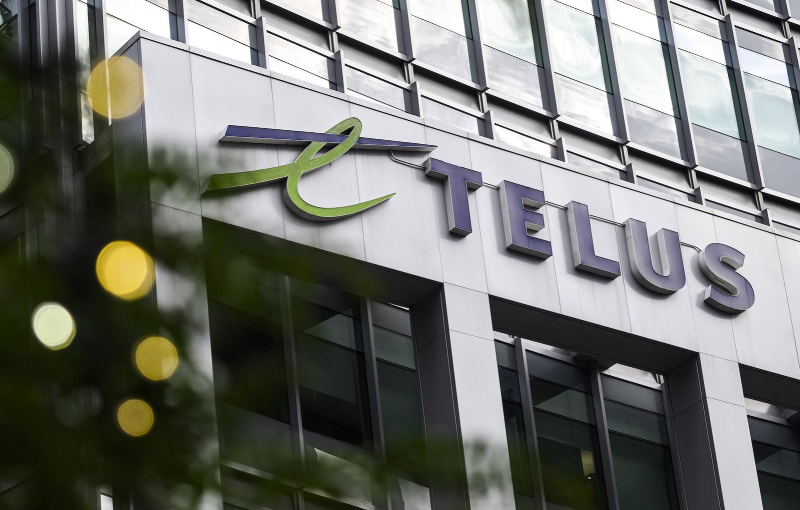
Quebecor Acquisition of Telus. A proposed C$31 billion takeover of TELUS by Québecor is putting Canada’s telecommunications industry at the centre of a major corporate battle, with questions emerging over competition, shareholder value, regulatory approval and the future of mobile services across the country.
Québecor’s unsolicited proposal seeks to bring TELUS under its ownership in a cash-and-stock transaction that could significantly expand the company’s national telecommunications presence. The proposal would combine TELUS with Québecor’s existing businesses, including Vidéotron, Freedom Mobile and Fizz, potentially creating a stronger competitor in Canada’s wireless and internet markets.
But the proposed Quebecor acquisition of Telus is far from a completed transaction. TELUS has established a special committee of independent directors to examine the offer, while concerns surrounding the proposed valuation, corporate governance and regulatory approval remain unresolved.
The development has also attracted attention because of reports that BCE, the parent company of Bell Canada, has held preliminary discussions with TELUS about its strategic options.
For Canada’s telecommunications sector, the situation could become one of the most consequential corporate developments in recent years. Punjab Lens Media examines the proposal, the companies’ positions and what the potential transaction could mean for investors and customers.
Québecor’s $31 Billion Proposal Puts TELUS in the Spotlight
Québecor publicly announced its takeover proposal on November 16, 2026, confirming that it had submitted an unsolicited offer to acquire TELUS.
The proposal followed an initial written approach in June 2026 and an enhanced offer delivered on November 9. Québecor’s latest proposal places the equity value of the transaction at approximately C$31 billion, with an estimated enterprise value of around C$60.6 billion when TELUS’s debt is included.
Under the enhanced terms, TELUS shareholders would receive C$6.35 in cash and 0.1700 Québecor Class B shares for every TELUS share they own. Québecor indicated that the consideration represented approximately C$19.45 per TELUS share, based on its announced calculation.
The company also described the offer as representing a premium of approximately 60% over TELUS’s closing share price on November 13.
The proposed payment structure is central to the negotiations. While the cash component provides an immediate payment, the share component exposes TELUS shareholders to movements in Québecor’s market value. The final value of the consideration could therefore change as the companies’ share prices fluctuate.
Despite the size of the offer, Québecor has not secured an agreement to acquire TELUS. The proposal remains subject to evaluation and the necessary transaction requirements.
TELUS Board Reviews Offer as Questions Over Valuation and Control Emerge
TELUS has responded cautiously to the proposal, confirming that its board established a special committee of independent directors to assess Québecor’s offer.
The committee is reviewing the financial terms, regulatory risks, governance arrangements and other strategic alternatives available to the company.
One of the most significant issues concerns the proposed ownership and voting structure. Under Québecor’s proposal, TELUS shareholders could hold approximately 54% of the combined company’s economic interest while retaining only around 23% of its voting rights.
The difference has raised questions about how much influence existing TELUS shareholders would have over the future direction of the combined business.
TELUS has also questioned whether Québecor’s proposed financial benefits adequately reflect the value of its operations and long-term business prospects. The company has highlighted concerns about the complexity of obtaining regulatory approval and the uncertainty surrounding the transaction’s execution.
The board’s review does not amount to a rejection of the proposal. However, it indicates that TELUS is not prepared to accept the offer without examining whether the financial and strategic terms adequately protect its shareholders.
For investors following the Quebecor acquisition of Telus, the special committee’s assessment will be an important part of the next stage.
Why Québecor Wants to Expand Its Position Across Canada
The proposed takeover reflects Québecor’s wider ambition to strengthen its position in Canada’s national telecommunications market.
The company already operates Vidéotron, Freedom Mobile and Fizz, giving it an established presence in wireless, internet and related services. Acquiring TELUS would substantially increase its reach and bring together two major telecommunications businesses with different operating footprints.
Québecor has argued that the proposed combination could create a stronger Canadian-controlled competitor with greater resources to challenge established telecommunications providers.
The company has also identified potential cost savings from combining operations and infrastructure. Its estimates include approximately C$160 million in annual operating synergies and C$235 million in annual capital efficiencies.
These projected benefits could come from shared infrastructure, operational integration and more efficient capital spending. However, they remain Québecor’s estimates and are not guaranteed outcomes.
The transaction would also represent a major strategic shift for Québecor, taking its expansion ambitions beyond its existing regional position and giving it access to a much larger telecommunications business.
Whether those advantages justify the proposed purchase price is one of the central questions facing TELUS shareholders.
Canada’s Telecom Competition Could Face a Major Test
The potential combination of Québecor and TELUS has wider implications for Canada’s telecommunications industry, particularly in a market where competition and consumer pricing are already major public policy concerns.
TELUS is one of Canada’s three major national wireless carriers. Québecor has expanded its competitive position through Vidéotron and Freedom Mobile, while also operating its Fizz brand.
A combined company could have a larger customer base, broader infrastructure and greater capacity to compete with other major providers, including Bell and Rogers.
Québecor has presented the proposal as an opportunity to strengthen competition by creating a larger national rival. However, regulators would need to examine whether the transaction would reduce competition in specific regions or telecommunications markets.
The review could consider market concentration, network access, pricing pressure, infrastructure investment and the availability of alternatives for consumers.
The Competition Bureau of Canada and the Canadian Radio-television and Telecommunications Commission could have important roles in examining aspects of the transaction. Federal authorities responsible for telecommunications and investment matters may also be involved, depending on the final structure and applicable approval requirements.
The central regulatory question will be whether the proposed combination strengthens competition or creates new risks for customers and smaller service providers.
Punjab Lens Media will continue following the regulatory implications as the Quebecor acquisition of Telus develops.
What the Proposed Takeover Could Mean for Canadian Customers
For millions of Canadian telecommunications customers, the most immediate concern is whether the proposed transaction could affect mobile prices, internet services, network coverage and available providers.
At this stage, there is no confirmed indication that the acquisition would automatically increase or reduce customer bills.
A larger combined business could potentially benefit from operational efficiencies and increased investment capacity. Québecor has argued that the proposed transaction would improve its ability to compete and invest in telecommunications infrastructure.
However, reduced competition in particular markets could also raise concerns about pricing and consumer choice. The final impact would depend on the transaction’s structure, the competitive conditions in individual regions and any requirements imposed by regulators.
Customers would also want clarity on the future of existing plans, contracts, service arrangements and customer support. No completed integration plan or confirmed customer migration arrangements have been announced.
For now, claims that the deal will definitely make phone bills more expensive or cheaper would be premature.
The consumer impact remains one of the most important issues that regulators and policymakers will need to examine before any potential transaction can proceed.
Bell Enters the Picture as TELUS Considers Its Strategic Options
The proposed Québecor transaction has become more complicated following reports of preliminary discussions involving BCE, the parent company of Bell Canada.
A November 18 report by The Globe and Mail indicated that BCE had held preliminary discussions with TELUS about its options after Québecor’s takeover proposal. Financial and legal advisers were reportedly involved in the discussions.
The development has drawn attention because Bell is itself one of Canada’s largest telecommunications companies. Any potential combination involving Bell and TELUS would raise significant questions about market concentration and competition.
However, preliminary discussions should not be confused with a formal takeover offer. As of November 20, 2026, no confirmed competing bid from Bell had been announced.
Québecor responded to the reports on November 19, expressing opposition to a possible Bell-TELUS combination and arguing that such a transaction would not benefit consumers.
The latest developments suggest that TELUS may have several strategic options to consider as it evaluates Québecor’s proposal. Whether those discussions lead to another transaction remains uncertain.
For the Canadian telecom market, the possibility of competing strategic interest adds another layer to an already significant corporate development.
November 23 Meeting Could Shape the Next Stage of Negotiations
The next major development in the Quebecor acquisition of Telus is expected to be a planned meeting between the two companies on November 23, 2026.
TELUS CEO Victor Dodig invited Québecor’s leadership to discuss the proposal, with senior financial representatives also expected to participate.
The meeting could provide an opportunity for both sides to address outstanding questions about the proposed valuation, shareholder consideration, governance arrangements and regulatory strategy.
It may also clarify whether Québecor is willing to make further changes to its offer or provide additional assurances regarding the transaction’s execution.
However, the meeting itself does not guarantee an agreement. TELUS’s special committee will continue to evaluate the proposal and the company’s other strategic alternatives.
If the companies reach an agreement, the transaction would still need to satisfy the applicable regulatory, shareholder and closing requirements. Any substantial regulatory concerns could result in additional conditions, delays or changes to the proposed structure.
There is currently no confirmed date for completion.
What Happens Next in the Québecor-TELUS Takeover Proposal?
The future of the proposed transaction will depend on several developments over the coming weeks and months.
The immediate priority is the discussion between Québecor and TELUS. Following that meeting, investors will be watching for any revised offer, formal response or announcement from the TELUS board.
Regulatory considerations will also remain central. Any agreed transaction would need to undergo the relevant Canadian review processes, with competition, telecommunications and other applicable requirements examined.
Shareholders will eventually need clarity on the final terms and the value they would receive. If a formal transaction agreement is reached, the companies would also need to address the necessary approval and closing conditions.
There are several possible outcomes: TELUS could accept a revised proposal, reject the offer, continue negotiations or pursue another strategic alternative. A competing proposal could also change the direction of the process, although no formal competing offer had been confirmed as of November 20.
For now, the Quebecor acquisition of Telus remains an unresolved corporate proposal rather than a completed merger.
Why This Deal Matters for Canada’s Business and Investment Landscape
Beyond the companies involved, the proposed takeover raises broader questions about the future of Canada’s telecommunications industry.
A successful transaction could change the competitive balance between major telecom providers and create a larger business with greater national reach. It could also influence how telecommunications companies approach infrastructure investment, network expansion and consolidation.
For shareholders, the central issue is whether the proposed financial consideration adequately reflects TELUS’s value and future growth prospects.
For regulators, the challenge will be balancing potential investment and efficiency benefits against the need to preserve meaningful competition.
For consumers, the outcome could influence service choices, network investment and pricing conditions, although the direction of those effects cannot yet be established.
Punjab Lens Media is tracking these developments as the proposed transaction moves through its next stage. The November 23 meeting, any changes to Québecor’s proposal and TELUS’s board assessment will be important indicators of where the situation is heading.
Frequently Asked Questions | Quebecor Acquisition of Telus
1. What is the Quebecor Acquisition of Telus?
The Quebecor acquisition of Telus refers to Québecor’s unsolicited proposal to acquire TELUS in a cash-and-stock transaction valued at approximately C$31 billion in equity value. The proposal could combine TELUS with Québecor’s Vidéotron, Freedom Mobile and Fizz businesses.
2. Has Québecor officially acquired TELUS?
No. Québecor has submitted a non-binding takeover proposal, but TELUS has not agreed to the acquisition. Its special committee is reviewing the offer and other strategic alternatives.
3. How much is Québecor offering for TELUS?
The enhanced proposal offers C$6.35 in cash and 0.1700 Québecor Class B shares for each TELUS share. Québecor indicated an approximate value of C$19.45 per share, representing around a 60% premium over TELUS’s November 13 closing price.
4. Why does Québecor want to acquire TELUS?
Québecor wants to expand its national telecommunications presence, increase its competitive position and potentially achieve operating and capital efficiencies by combining its businesses with TELUS.
5. Will the proposed acquisition increase mobile phone bills in Canada?
There is no confirmed answer. The deal could affect competition and pricing, but the impact would depend on the final transaction structure, market conditions and regulatory requirements.
6. Why is TELUS reviewing the offer instead of accepting it?
TELUS has raised questions about the proposed valuation, regulatory risks, financing, governance and the difference between economic ownership and voting rights under the proposed structure.
7. Is Bell planning to acquire TELUS?
Reports published on November 18 indicated that BCE, Bell’s parent company, had preliminary discussions with TELUS about its strategic options. However, no formal competing takeover offer had been confirmed as of November 20, 2026.
8. When will the Quebecor acquisition of Telus be completed?
There is no confirmed completion date. The companies would first need to reach an agreement and satisfy the applicable regulatory, shareholder and other transaction requirements.
9. Which Canadian regulators could review the transaction?
The Competition Bureau and CRTC could examine relevant aspects of the transaction. Other federal authorities may also have responsibilities depending on the final structure and applicable legal requirements.
Conclusion: A Major Corporate Decision Still Awaits
The proposed Quebecor acquisition of Telus has placed Canada’s telecommunications industry at a critical point. With approximately C$31 billion in proposed equity value, the transaction could reshape the competitive landscape, expand Québecor’s national operations and create significant financial and regulatory questions.
Yet the proposal remains unresolved. TELUS is examining the offer through its independent special committee, concerns about governance and valuation remain outstanding, and reports of preliminary discussions involving BCE have introduced another possible strategic dimension.
The planned November 23 meeting between Québecor and TELUS could provide a clearer indication of whether negotiations will progress or whether the companies will move in different directions.
Until an agreement is reached and the necessary approvals are addressed, the outcome remains uncertain.
For continuing coverage of the Quebecor acquisition of Telus, Canadian corporate developments and major business news, follow Punjab Lens Media at https://punjablensmedia.com/.